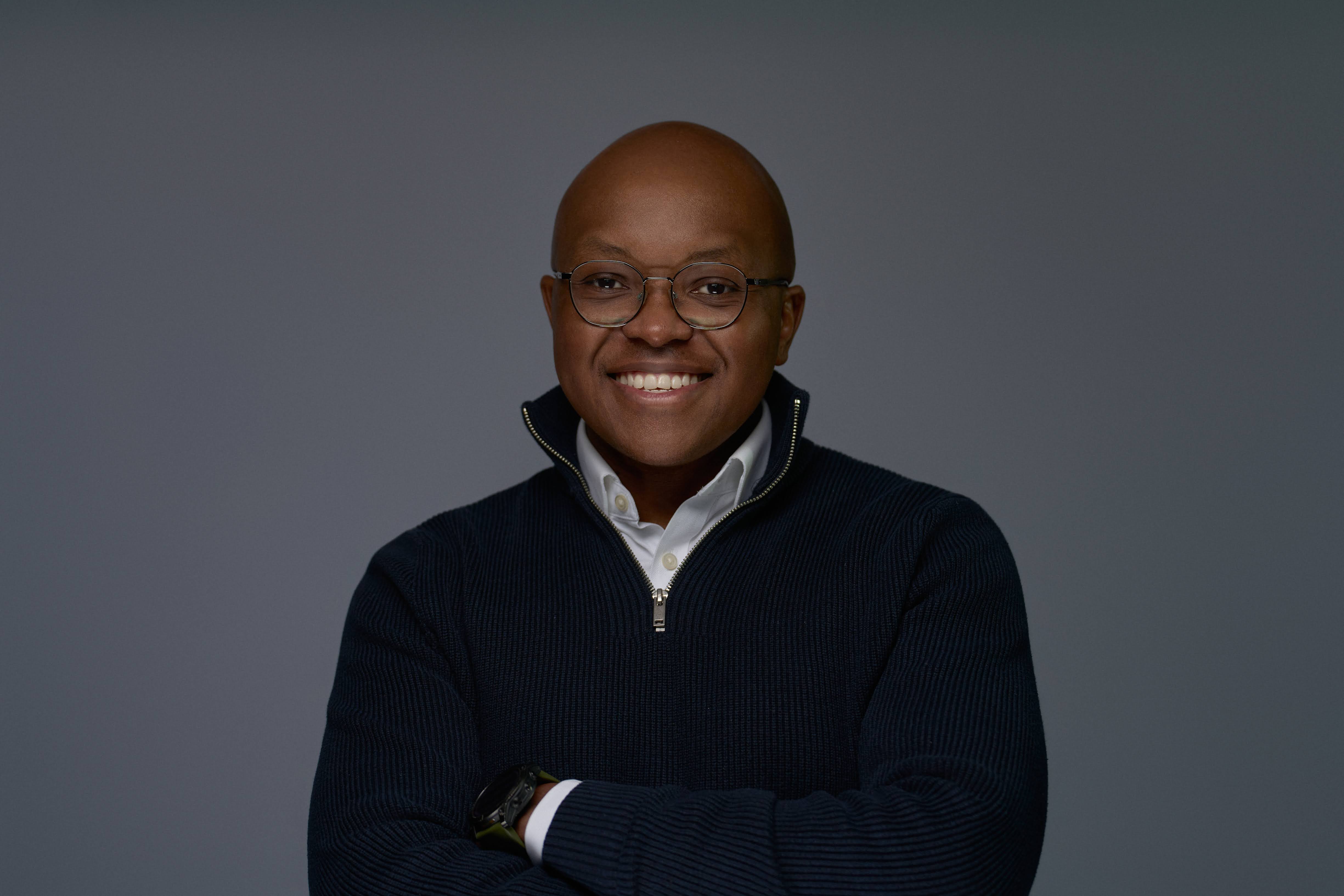
Garikai GonoI've been the architect at the carrier, the consultant at the Big Four, and the product leader at the InsurTech. That's three different ways to be wrong — and to learn what actually works. Now I help organisations make better technology decisions because I've sat in all the seats.
I've spent my career getting progressively more senior in one of the most complex corners of enterprise technology. I now set technical direction at the level where architecture meets the boardroom.
That path covers carrier, consultancy, and product company. It means I've seen the same decisions from all three sides, which is more useful than being very good at one of them.
My MEng thesis at Birmingham was on automatically extracting requirements from railway policy documents using semantic analysis and NLP. That work — classifying language, surfacing structure from unstructured text — is exactly what large language models now do at scale. I understood the mechanics before the commercial moment arrived, which means I can tell the difference between genuine capability and a well-marketed demo.
Insurance technology is my whole career. I know where it breaks.
I've designed systems at a carrier, at two Big Four firms, and at a product company. The same architectural decision lands differently in each context. Having seen all three means I don't design in the abstract.
At Send I run technical delivery as a field CTO. That means owning the outcome — not just the plan. When implementations run into trouble, I'm the one who has to sort it out.
Policy administration, distribution platforms, legacy modernisation, regulatory constraints — I've worked in this stack my entire career. I know the specific ways insurance technology fails, which is more useful than general technology knowledge.
I've advised insurance executives at EY and led product strategy conversations at Instanda. Most technology people struggle to have a useful conversation at board level. I don't, because I've had to do it regularly.
At Instanda I ran the solutions function as a product role. I defined how the platform should develop, worked with carriers on what they actually needed, and helped their leadership teams understand the trade-offs.
I worked at Deloitte and EY on insurance technology programmes. The Big Four environment teaches you to structure a problem clearly and communicate to people who don't have time to read a technical document. That skill travels.
My MEng thesis at Birmingham was on automatically extracting requirements from railway policy documents using semantic analysis and NLP — classifying and surfacing structure from unstructured text. That's the same problem large language models now solve commercially. I wasn't predicting the current wave, but I understand the mechanics behind it. That's not a credential I've retrofitted; it means I know what the vendors are actually selling, where the real limitations are, and which questions to ask to get honest answers.
Every role has been in insurance or financial services technology. That's not an accident — it's a genuinely complex sector and I've stayed in it because the problems are interesting.
Effectively the field CTO for Send's technical delivery. I sit between the product and the customer — making sure implementations land well and that our customers' technical teams have someone useful to talk to when it gets complicated.
Advised insurance executives on large technology programmes. Acted as principal architect on transformation engagements — vendor selection, platform design, delivery governance. The work required being technically credible and commercially useful at the same time.
Led solutions as a product function. Defined how the platform should develop, worked directly with insurance carriers to understand what they needed, and advised their executive teams on how to get real value from the technology.
Insurance technology advisory on transformation programmes. Consulting at this level teaches you to frame a problem clearly for people who aren't close to the technical detail — a skill that has been useful in every role since.
Where I started. Hands-on architecture inside one of the world's largest insurers — designing systems within a complex enterprise environment and learning what actually works at scale in a regulated business.
Thesis on automatically extracting requirements from railway policy documents using semantic analysis and NLP — identifying and classifying natural language to surface structured requirements from unstructured text. The same class of problem that LLMs now handle at scale. It's the reason I can have a different kind of conversation about AI than most people in the room.
Insurance technology is a niche. Most technology advisors know software in general. Fewer have worked inside a carrier, advised one at Big Four level, and built products for them. That combination matters when the questions get specific.
AI is the other thing right now. Every board is being asked to form a view. A lot of the advice circulating is from people who started paying attention recently. My research background means I understand the technology itself — not just the use cases that vendors are promoting.
I work with a small number of organisations at a time. Typically that means helping a leadership team think through a technology decision, reviewing a strategy or vendor proposal, or acting as a standing sounding board for a CTO or CEO who wants someone to pressure-test their thinking.
If any of that sounds relevant, get in touch. I'm happy to have a first conversation and see if it makes sense.
An independent read on whether your technology direction holds up — and where the gaps are.
Helping boards ask better questions of their technology leadership — and understand the answers they get back.
Technical review of proposals and platform decisions — from someone who has been on both sides of those conversations.
A regular arrangement for leaders who want a senior technology perspective they can call on.
Cutting through the noise on AI — what's real, what's oversold, and what your organisation should actually be doing about it.
Whether it's a specific problem you're working through or just an initial conversation — I'm happy to hear from you.
hello@garik.aiA podcast on racial diversity in the workplace — honest conversations about what's changing, what isn't, and why it matters.
Listen